



If you own, or plan to own, a home in the UK or Germany, understanding which country delivers stronger financial support for energy upgrades can shift your investment priorities and save thousands of pounds or euros over the next decade. In 2026, both nations offer grants, low-interest loans, and tax incentives for heat pumps, solar panels, home batteries, and EV chargers, but the structures, eligibility rules, and real-world savings differ sharply.
- UK vs Germany home energy incentives at a glance
- How UK vs Germany home energy incentives are structured
- Heat pump incentives and real installed costs
- Solar and home battery support in both countries
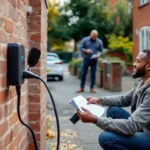
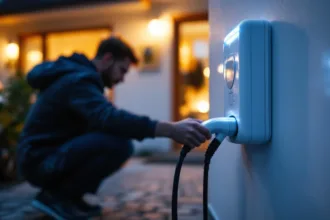
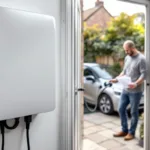
- EV home charging and smart tariff incentives
- Insulation and building fabric upgrade support
- Which country wins for different homeowner profiles
- Planning your 3-5 year upgrade path
- Frequently Asked Questions
This guide compares UK vs Germany home energy incentives side by side, using current programme data and typical household scenarios to show where each country leads, and where it lags, on heat-pump subsidies, solar feed-in arrangements, battery storage support, fabric-upgrade funding, and EV charging infrastructure grants. You’ll see actual cost breakdowns, payback timelines, and decision frameworks to help you prioritise the upgrades that deliver the fastest return in your market.
UK vs Germany home energy incentives at a glance
For a homeowner comparing UK vs Germany home energy incentives in 2026, Germany is generally more generous on upfront grants, while the UK increasingly leans on tax relief and energy-bill savings. Both support heat pumps, solar PV, batteries, EV charging, and fabric upgrades, but the balance of cash vs tax and the typical grant sizes differ.
| Technology | UK 2026 | Germany 2026 | Stronger |
|---|---|---|---|
| Heat pumps | Flat grant, mid-range | % of cost, higher cap | Germany |
| Solar PV | VAT relief, exports | Grants/loans, tax perks | Germany |
| Home batteries | Emerging grants, VAT cuts | Targeted subsidies, loans | Germany |
| EV charging | Focused grants, tax breaks | Occasional grants, loans | UK |
| Insulation | Selective schemes | Broad efficiency programs | Germany |
In practical terms, a typical family in Germany can often cover a larger share of project costs for heat pumps, solar, and batteries through layered subsidies and low-interest loans. The UK usually offers smaller but simpler grants and long-term bill savings, with strong support around EV chargers and zero or reduced VAT on many technologies.

Policy direction also diverges. Germany is pushing hard on deep retrofit packages and whole-house planning, supported by large-scale programs such as KfW efficiency loans, as outlined in resources like the German-focused overview in this European comparison of home energy systems . The UK is moving more cautiously, with clearer offers for specific measures and time-limited boosts for batteries and EV infrastructure.
Related internal resource EV charger grant UK eligible 2026.
How UK vs Germany home energy incentives are structured
The core difference in UK vs Germany home energy incentives is how money reaches homeowners. The UK leans on time-limited grants and some bill discounts, while Germany leans on large, long-lived loan and subsidy programmes run through national development banks and regional funds.
In the UK, most support comes as direct grants (e.g. fixed amounts for heat pumps, insulation or EV chargers), sometimes combined with zero-VAT on technologies like solar and batteries. Schemes are centrally branded but often delivered via accredited installers who apply on your behalf. You typically:
- Use a government or comparison site to check eligibility
- Collect two or three quotes from approved installers
- Pick a quote; installer submits the grant application
- Grant is deducted from the invoice or rebated after completion
Decisions for UK grants are usually quick (days to a few weeks), but budgets can close abruptly when funding is exhausted, so timing matters. Electricity bill incentives also come indirectly through tariff tweaks (e.g. lower VAT, export tariffs, smart time-of-use rates) rather than formal tax credits.
Germany’s home energy incentives centre on subsidised loans and investment grants via KfW and BAFA, complemented by Länder (state) top-ups. Instead of one-off UK-style grants, you often get a percentage of costs covered, combined with low-interest financing. A typical German flow is:
- Consult an energy advisor and create a renovation roadmap
- Apply for a KfW/BAFA programme (often via your bank)
- Receive funding approval before signing installation contracts
- Complete works, then submit invoices for partial reimbursement
Related internal resource how to apply UK battery grant.
Heat pump incentives and real installed costs
For homeowners comparing UK vs Germany home energy incentives, heat pumps are where the numbers diverge most sharply. By 2026, both countries subsidise air-to-water systems heavily, but very different installed costs mean very different out-of-pocket results for a typical 3-4 bedroom home.
Headline installed prices in Germany have been widely reported in the €23,000-€40,000 range for a full air-to-water heat pump package, including hydraulic balancing and radiator upgrades in many older homes. UK installations for comparable 8-12 kW systems more often fall around £11,000-£16,000, with a central estimate of roughly £13,800 for a standard semi-detached house, though fabric upgrades are often extra. A comparative review by Heat Pumps Watch suggests Germany is currently among the higher-cost markets in Europe, mainly due to labour and regulatory requirements.
Government support partly offsets that gap. In the UK, the Boiler Upgrade Scheme in 2026 typically offers a straightforward grant per installation, while German homeowners rely more on percentage-based subsidies and low-interest KfW loans, which scale with project cost. The table below summarises the type of incentives and indicative net costs for an average 3-4 bed owner-occupied home, assuming mid-range quotes and successful grant approval.
| Country | Typical gross cost | Main 2026 support | Indicative net cost |
|---|---|---|---|
| UK | £11k, £16k | Flat heat pump grant | ~£6k, £11k |
| Germany | €23k, €40k | % subsidy plus loan | ~€10k, €22k |
| UK | Higher with fabric work | Limited separate help | Can add £3k, £8k |
| Germany | Includes system upgrades | Some upgrades subsidised | Still higher overall |
| Both | Cheaper in new-builds | Developer-side policies | Lower buyer uplift |
When you strip it back to homeowner cash, UK vs Germany home energy incentives push outcomes in different directions. The UK’s lower base prices plus a flat grant can make heat pumps a cheaper one-off purchase, especially if you can delay major insulation work.
Solar and home battery support in both countries
For homeowners weighing UK vs Germany home energy incentives, solar PV and batteries are where policy differences show up clearly in 2026. Both countries now lean on a mix of VAT relief or tax treatment, grants/low-interest loans, and export payments, but the balance between up-front help and long-term returns is different.
| Aspect | UK 2026 | Germany 2026 | Typical impact |
|---|---|---|---|
| Up-front grants | Limited, pilot battery schemes | KfW/State solar-battery grants | Germany stronger |
| VAT / sales tax | 0% VAT on solar+battery | VAT exemptions common | Roughly similar |
| Export payments | Smart export, 5-20p/kWh | Feed-in tariffs, region-dependent | Germany often steadier |
| Financing | Market loans, some green deals | Subsidised KfW loans | Germany cheaper borrowing |
| Typical payback | Solar 6-10 yrs; +battery 9-14 | Solar 7-11 yrs; +battery 10-15 | Close, home-specific |
In the UK, the headline supports for rooftop solar are zero VAT on installations and export tariffs from suppliers. There are emerging schemes for batteries, and dedicated programmes such as the UK home battery grant 2026 and step-by-step guidance on how to apply UK battery grant. Combined with smart time-of-use tariffs, a typical family with a 4-5 kW array can often recover solar costs in around 6-10 years, stretching to the low-teens once a home battery is added.
Germany leans more heavily on structured loan and grant frameworks, particularly KfW-backed offers and some state-level solar-battery subsidies. Programmes covered in detail in the Germany KfW battery subsidy 2026 guide often lower effective upfront prices or borrowing costs, while stable feed-in or export tariffs improve long-term predictability. Payback for a similar family system is frequently in the 7-11 year range for solar alone, with batteries pushing this towards roughly 10-15 years, depending on local tariffs, roof orientation, and usage patterns.
In practice, the UK vs Germany home energy incentives picture for solar and storage is finely balanced. Germany generally offers stronger grant and loan support, while the UK focuses more on tax relief and flexible export or smart-tariff options.
EV home charging and smart tariff incentives
In the UK vs Germany home energy incentives discussion, EV home charging sits at the crossroads of transport and household energy. Both countries lean on smart tariffs and behind-the-meter solar and batteries, but they use different policy levers to get there.
| Aspect | UK | Germany | Typical impact |
|---|---|---|---|
| Charger grants | Targeted, means/use-tested | Mainly regional, utility-led | £200-£900 off hardware |
| Tariff types | Strong EV & dynamic offers | Dynamic & heat-focused | 40-70% off night kWh |
| Solar + EV | Export tariffs, no FIT | Feed-in & self-use focus | Charge midday near-free |
| Batteries | Growing grants, V2H trials | KfW-style subsidies | Shift 20-60% EV load |
| Best combo | EV tariff + smart wallbox | PV + battery + FiT | £250-£600/year saved |
In the UK, national support for home EV chargers has narrowed to specific groups (such as flat residents or renters) and small businesses, so many homeowners now rely on market competition instead of broad grants. The strongest savings usually come from pairing a mid-priced smart wallbox with an EV-specific or general time-of-use tariff, then scheduling charging for the cheapest off-peak window; with 8,000-10,000 miles a year, shifting from flat-rate power to an aggressive EV tariff can often cut home charging costs by roughly half.
Germany’s federal landscape relies less on a single nationwide EV charger grant and more on a mix of occasional KfW programmes, state schemes, and utility rebates. The standout feature is how these incentives integrate with rooftop solar and, increasingly, subsidised batteries: households are nudged to charge in the midday PV window, then let storage and smart controls cover night-time trips.
Insulation and building fabric upgrade support
Both countries push a “fabric-first” approach, but the structure and generosity of support differ. In the UK, most insulation and fabric upgrades are driven by supplier-obligation schemes (like ECO-style programmes) and smaller, time-limited grants. In Germany, federal and state-level efficiency programmes treat insulation, windows and whole-house refurbishments as core investments, often with higher percentages of cost covered, especially when combined with heat pumps or solar.
In the UK, fabric incentives mainly target lower-income or vulnerable households via supplier-funded schemes that subsidise loft, cavity wall and some solid wall insulation, plus limited window upgrades. Middle-income owner-occupiers often face patchy support: they may access occasional grants or 0% VAT on some measures, but deep retrofits are rarely subsidised at scale. Policy design means fabric upgrades and heat pumps are not always bundled; in practice, many households install a heat pump before fully upgrading insulation, which can reduce efficiency and comfort gains.
Germany’s main efficiency programmes, often run through KfW or BAFA, support a wider range of measures: external wall insulation, roof and basement insulation, triple-glazed windows, airtightness work and energy-efficient refurbishment packages. Incentive levels typically increase when homeowners commit to a defined “efficiency house” standard or combine fabric measures with low-carbon heating or solar. For example, a family planning a heat pump may receive higher grant rates if they simultaneously upgrade façade insulation or windows to meet programme thresholds.
For homeowners weighing UK vs Germany home energy incentives, the practical impact is that German schemes more clearly reward doing fabric, heating and solar as a coordinated package.
Which country wins for different homeowner profiles
The better incentive system depends on your property type, tenure, and energy priorities. UK schemes favour owner-occupiers making single-technology upgrades, while Germany rewards comprehensive retrofits and supports renters indirectly through landlord obligations.
| Profile | UK Advantage | Germany Advantage |
|---|---|---|
| Semi-detached gas home (owner) | £7,500 Boiler Upgrade Scheme for heat pump; simpler application | KfW grants cover 20-40% of full retrofit including insulation, windows, heat pump |
| Detached oil/LPG home (owner) | Higher BUS grant (£7,500) plus Smart Export Guarantee for solar | Larger subsidy pool (up to €90,000 per property); lower net heat pump costs after grant |
| Urban apartment (renter) | Minimal direct benefit; landlord controls upgrades | Tenant can request energy improvements; landlord eligible for KfW loans at 0.01% APR |
| Rural detached house (owner) | Off-grid solar + battery eligible for VAT relief (0% on install) | BEG subsidy stacks with regional rural energy grants; feed-in tariff remains higher |
| New-build buyer | Future Homes Standard (2025) mandates low-carbon heating; no extra incentive needed | KfW Efficiency House 40 grants reduce mortgage principal by up to €37,500 |
UK incentives deliver faster payback for heat pumps in gas-grid homes because the £7,500 grant covers 40-50% of typical installation costs. Germany’s system is stronger for whole-house retrofits: a homeowner combining loft insulation, triple glazing, and a heat pump can access €25,000-€45,000 in combined BEG and KfW support, versus £7,500-£10,000 in the UK. Renters gain more in Germany, where landlords face regulatory pressure and cheap financing to upgrade; UK renters rely on voluntary landlord action with limited incentive.
Planning your 3-5 year upgrade path
Think of the next 3-5 years as a staged project rather than a single “big bang” retrofit. Whether you’re in the UK or Germany, you’ll get more value from home energy incentives by sequencing upgrades, matching them to likely policy timelines, and leaving room for future tech (like batteries or EV chargers) without tearing work up twice.
A practical order for most homes is:
- Fabric and controls first. Tackle insulation, airtightness, and basic heating controls before chasing big-ticket hardware. In both countries, assessments and energy certificates often unlock or improve grants, and better fabric lets you install a smaller heat pump and solar system later.
- Heat source next. Once the building shell is efficient, look at a heat pump or a high-efficiency boiler as a bridge option. In Germany, deadlines and bonus tiers can make earlier heat pump moves attractive; in the UK, you may choose to wait a year if schemes are under review but already budgeted for. Check if combining measures in one application is rewarded or penalised.
- Solar and batteries after heat. Fit solar once you know your realistic annual electric load with the new heating. In Germany, that can maximise grant caps tied to system size; in the UK, it helps you size batteries for time-of-use tariffs and any evolving export rules. Use pre-wiring and spare roof/loft capacity so you can add storage later without scaffolding again.
- EV charging last or opportunistically. If you already have (or are sure you’ll buy) an EV, align charger installs with any driveway or electrical upgrade work. In the UK, watch changing rules on eligibility for EV charger support; in Germany, check if bundling the charger with solar or a battery affects funding ceilings or priority.
Frequently Asked Questions
Is it cheaper to live in Germany or the UK?
For energy-related costs in 2026, Germany typically has higher electricity prices per kWh but more generous home energy incentives, especially for heat pumps and solar. The UK often has slightly lower electricity prices but offers smaller grants on average.
Which electricity provider is considered the best in Germany?
There is no single best German electricity provider for everyone. To maximise home energy incentives, prioritise suppliers offering green tariffs, dynamic or time-of-use pricing, and good export rates for solar.
How to reduce electricity bill in Germany?
Start by switching to a competitive tariff and installing a smart meter. Use incentives to add rooftop solar and, if viable, a battery to shift grid use to cheaper hours.
How much does it cost to install a heat pump in Germany?
In 2026, a typical air-to-water heat pump for a standard detached home in Germany often costs roughly €18,000-€28,000 installed, depending on size, brand and existing heating system.
What is the first step in UK vs Germany home energy incentives?
The fastest first step is a structured home energy assessment, either via an official energy performance certificate review or a recognised energy advisor. This clarifies heat loss, current running costs and your electrical capacity.
Both the UK and Germany offer meaningful home energy incentives in 2026, but your best path depends on property type, existing heating system, and whether you prioritise upfront grants or long-term running-cost savings. UK homeowners typically find stronger direct grants for heat pumps and simpler application processes, while German households benefit from larger low-interest loans, more generous solar feed-in tariffs in some regions, and deeper fabric-upgrade subsidies through KfW programmes.
Compare your specific upgrade costs against available support in your country, layer multiple incentives where rules allow, and start with the measure that cuts your energy bills fastest, usually heat pumps in the UK and solar-plus-battery systems in Germany. Revisit eligibility annually, as both governments adjust caps and income thresholds mid-cycle.